


chamabet Sports betting in Brazil in 2026: matches, data, and context
Following a season of football and other sports takes more than finding the next match: you need to understand the time, the stage of the competition, how the teams are doing, and what each result could change. This page brings together editorial guidance on schedules, scores, and performance analysis, focusing on sports information for Brazilian audiences. The goal is to help beginners and experienced fans consult the data clearly, without turning isolated numbers into hasty conclusions.
The chama bet app environment can serve as a navigation reference on smaller screens, but your reading should remain centered on the official calendar, competition sources, and the context of each match. In 2026, always check the update date, the time zone shown, and any changes to the venue or lineup before planning your viewing routine.


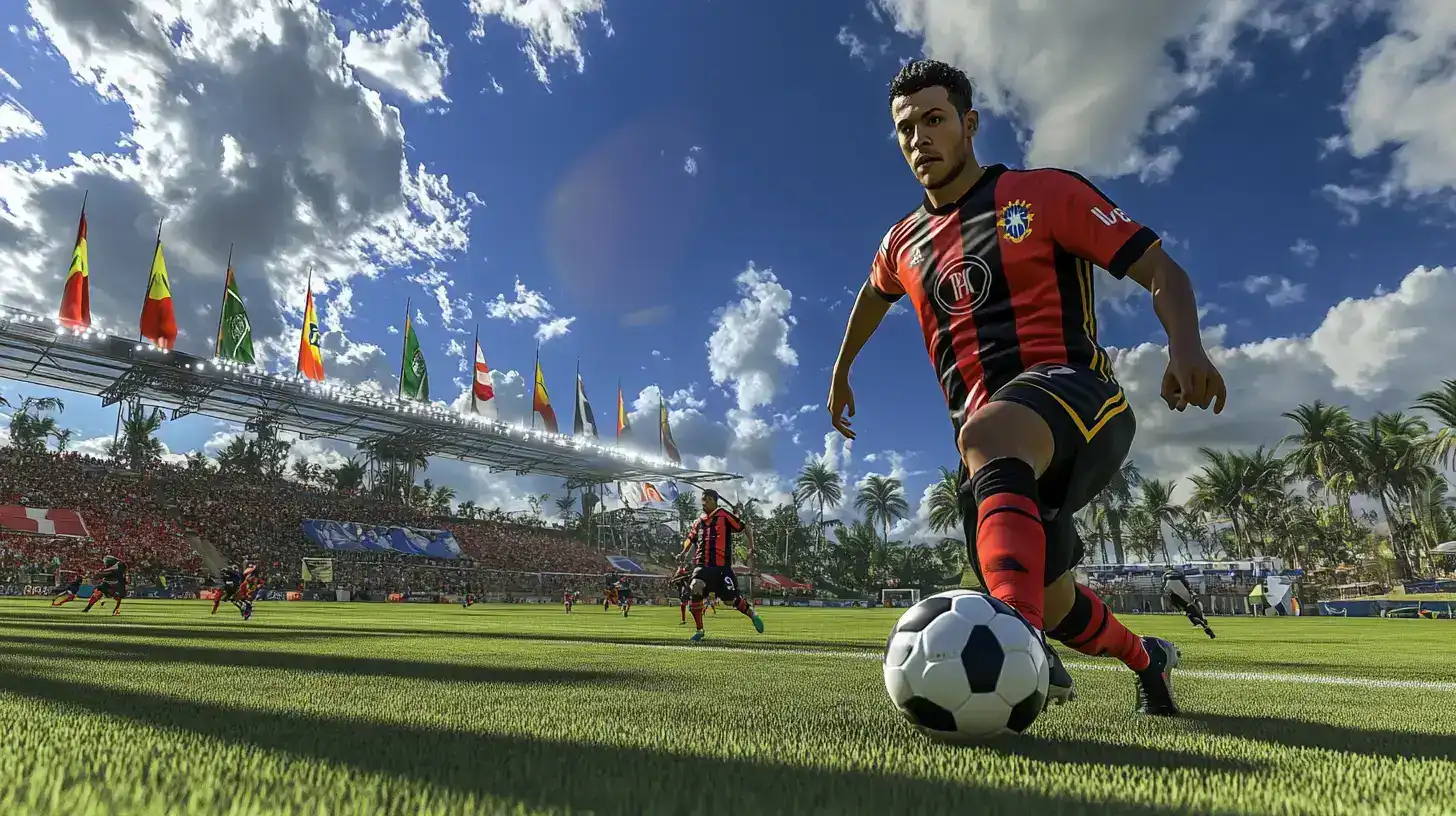

This Week's Fixtures
Upcoming ties. Check the date and start time before you follow live.
How to check the match schedule and plan your matchday
A useful sports schedule starts with correctly identifying the competition. Check whether the match is part of a league round, a cup knockout tie, or a group stage: the format changes the significance of the result and can influence the teams’ strategy. Next, check the full date, local time, and listed stadium. For international schedules, time zone conversion is especially important; a time shown in another country may not match the clock in Brasília.
It is also worth checking whether the match is confirmed. Weather, logistics, broadcasting, or continental commitments can lead to schedule changes. A match page should distinguish upcoming events from games in progress and completed matches, and indicate when the data was updated. If information seems inconsistent, compare it with the league’s or club’s official channel before sharing it.
To follow a matchday closely, first select the fixtures that affect the title race, continental qualification, or avoiding relegation. Then consider regional rivalries and matches involving Brazilian teams in international tournaments. This approach avoids an extensive list with no priorities and makes it easier to understand what is at stake. The schedule works best as a guide for following events, not as a prediction of what will happen on the field.
Anyone using the chama bet app on a phone should check that times are legible and the time zone is indicated before setting personal reminders. On small screens, summary cards are helpful, but they do not replace reading the details: venue, stage, home team, away team, and status are separate fields. To expand your coverage of matches in real time, also visit the live scores.

Check the competition, local time, and match status before following the game.
Results, recent form, and statistics without jumping to conclusions
A score records what happened, but it does not explain on its own how the match unfolded. To interpret results, start with the match status: completed, suspended, or still in progress. Then identify the competition and round, since the same performance can mean different things in a round-robin league and a knockout tie. This page does not make up scores or present numbers as current without confirmation; when data is illustrative, it should be clearly labeled as an example.
Recent form is often summarized using a five-game window, but this measure calls for caution. Check who the team played, whether it was at home or away, and whether it faced opponents of different levels. A positive run may include cup and league matches with different schedules; therefore, compare equivalent samples whenever possible. Separating home and away performance also helps identify patterns without treating a short-term trend as a permanent rule.
What the table can reveal
In a standings table, points, matches played, wins, draws, losses, and goal difference are complementary fields. Before comparing clubs, check that they have all played the same number of matches and whether any games have been postponed. Tiebreakers vary according to the regulations, so the displayed position may depend on competition-specific rules. Top scorer lists also require attention: some sources count only league goals, while others include cup goals.
Injuries and lineups in perspective
Absence news should be treated as information subject to updates until the official lineup is announced. An injury, suspension, or return can change roles and bench options, but does not by itself determine team performance. Responsible reports distinguish club confirmation, medical uncertainty, and speculation, avoiding presenting rumors as fact.
How to turn schedules and scores into an engaging viewing experience
Choose a goal before opening several matches: follow your club, compare a league’s progress, or watch a specific matchup. This focus helps you select relevant indicators and reduces the temptation to draw conclusions from every update. In soccer, for example, it is worth looking at the run of fixtures, squad availability, and the difference between home and away performance. In basketball, pace, efficiency, and fouls may be more informative than looking only at the score so far.
During a broadcast, consider the score alongside the minute or period, match status, and confirmed substitutions. An update may arrive later than the live footage; therefore, temporary differences between sources do not necessarily mean there is an error. Check the update label and avoid reposting a figure until its status is confirmed. After the game, the recap should separate observable facts—such as goals, cards, or sendings-off—from assessments of performance.
For beginners, a short checklist is enough: check the competition, identify the teams, review recent results across comparable periods, and follow official squad news. More experienced fans can add shot maps, possession progression, set pieces, and performance by period, provided they understand the criteria used by the source. At any level, statistics are a tool for asking questions, not a guarantee of future results.
Navigation through the soccer guide can complement the schedule with team news and context. To consult institutional references and learn about the project, visit chamabet.club. Following sports also means taking breaks: adjust notifications, honor your commitments, and keep entertainment in balance.
Eight sports to follow, each with its own stories and data
The cards below highlight real competitions and editorial points to watch. Calendars, participants, and standings change throughout the season; consult the organization’s latest information before planning your coverage. No future score is assumed.

Premier League
A league with a packed schedule, where it is especially important to watch the run of fixtures between domestic and European commitments. Compare recent form and home or away performance without overlooking the strength of the opponents faced.
View sports coverage
La Liga
Following the Spanish competition becomes more insightful when the table is read alongside the schedule and squad availability. Derbies and battles for continental qualification often provide context for changes in position.
View sports coverage
Serie A
In the Italian league, it is worth following the combination of fixture runs, defensive balance, and the race for different objectives in the standings. Always confirm the matchweek and official criteria before comparing positions.
View sports coverage
Bundesliga
The Bundesliga offers stories of title races, continental qualification, and avoiding relegation. Watch the pace of matches and the difference between home and away games, always using data from the same stage to avoid misleading comparisons.
View sports coverage
UEFA Champions League
The tournament format and stage determine the significance of each match. Follow the European schedule alongside domestic competitions and check suspensions, travel, and confirmed lineups before kickoff.
View sports coverage
NBA
During the NBA season, fixture runs, rest, and player availability help put the numbers in context. Distinguish the score so far from the final result, and check the period, fouls, and match updates.
View sports coverage
Wimbledon
The grass-court tournament features matches at different stages and formats that vary by category. Check the draw, estimated start time, and match status; rain and the length of previous matches can change the schedule.
View sports coverage
UFC
At UFC events, the card order, weight class, and athlete confirmations are essential details. Last-minute changes can rearrange the schedule, so confirm the time and status through official channels.
View sports coverageHow to understand schedule and standings updates
Sports data may be corrected after its initial publication, especially when statistics are reviewed, a time is changed, or a disciplinary decision is made. For this reason, a reliable lookup should show the competition, the time of the latest update, and the event status. Instead of saving a number without context, also record the round and the source. This habit makes later comparisons more accurate and reduces the spread of outdated information.
A league table is not a prediction of the final standings. It represents a provisional situation, subject to pending matches, tiebreakers, and official decisions. Likewise, a run of results summarizes past events but does not eliminate the uncertainty of a new matchup. Use the data to understand trends, ask questions, and track changes, without treating it as a promise.
Checklist before sharing
◆ Is the competition and team name correct?
◆ Is the score final, or does it still correspond to a stage in progress?
◆ Is the time shown in the Brazilian time zone, and is the update recent?
◆ Has an absence been officially confirmed, or is it still uncertain?
◆ Does the statistical sample compare equivalent matches and stages?
Questions about schedules, scores, and understanding sports
How can I check whether a match time is in Brazil's time zone?
Look for the time zone indication next to the time and confirm whether the page uses Brasília time or the stadium's local time. In international tournaments, this difference can change the date shown to people following from Brazil. If there is a discrepancy, consult the competition's official calendar and check whether there has been a recent change.
What does it mean when a match is listed as in progress?
This status indicates that the event has started and has not yet ended according to the source consulted. In soccer, also check the minute and any stoppage time; in other sports, look at the period, set, or stage. Updates may be delayed, so a displayed score does not necessarily match the broadcast second by second.
How should I read a team's last five games?
Use the sequence as a summary, not a complete assessment. Check the opponents, competition, home or away status, and whether the matches were played under comparable conditions. A short window may highlight a recent trend, but changes in the lineup, schedule, and opponents' level affect how it should be interpreted.
Why might a club's position change after a round?
The standings depend on recorded results and the tiebreaking rules set out in the regulations. Pending matches, official corrections, and criteria such as goal difference can change the order of teams with similar points. Check the updated table and confirm that all the clubs being compared have played the same number of matches.
Where can I find reliable information about injuries and lineups?
Give preference to announcements from clubs and tournament organizers, and to journalists who clearly identify the source of their information. Distinguish a confirmed absence from a doubt or prediction. Lineups may be announced close to kickoff, so earlier news should be treated as subject to updates.
How can I follow sports in a balanced way?
Set times to check results and notifications, take breaks, and avoid letting coverage interfere with rest, study, work, or time with others. Sports should be a source of interest and entertainment, not an obligation. If following a match causes discomfort or excessive stress, stop checking and seek support from people you trust.
Clear schedules, sports context, and attention to well-being
Explore coverage of competitions, confirm updates with official sources, and follow each round at your own pace. Results and statistics help you understand sports, but they do not guarantee future events; maintain a balanced routine for following them.